
The Lion, the Witch and the Wardrobe PDF: A Comprehensive Guide
Today, March 24, 2026, numerous PDF resources exist for C․S․ Lewis’s classic․
These include Family Learning Adventure Guides, LitLink guides, and answer keys readily available for download․
Digital file types like PDF, DOCX, EPUB, and TXT offer varied access options․
The Internet Archive provides free borrowing and streaming of the text, while Etsy Portugal offers a digital download of a Family Learning Adventure Guide in PDF format․
Availability of PDF Versions
Numerous PDF versions of “The Lion, the Witch and the Wardrobe” are currently accessible online, catering to diverse learning and reading preferences․ Platforms like the Internet Archive offer free borrowing and streaming options, providing convenient access to the complete text in PDF format․
Furthermore, specialized educational resources, such as Family Learning Adventure Guides, are available for purchase as digital downloads, specifically in PDF format, as seen on Etsy Portugal․ These guides enhance the reading experience with supplementary materials․ LitLink guides are also offered as PDFs, designed to support literature study and comprehension․
Additionally, readily available PDFs include answer keys and comprehension questions, aiding students and educators alike․ The text itself has been digitized and shared in various formats, including PDF, DOCX, TXT, and EPUB, ensuring broad compatibility across devices․ These resources, dated as recently as 2021 and 2026, demonstrate ongoing accessibility․
Official PDF Release & Copyright
An officially released PDF version directly from the C․S․ Lewis estate is not widely available for free download․ However, the C․S․ Lewis Foundation holds the copyright, established in 2012, and manages the intellectual property rights associated with “The Lion, the Witch and the Wardrobe” and the entire Chronicles of Narnia series․
While free PDFs circulate online, these are often scans or unauthorized digital copies․ Legally obtaining a PDF typically involves purchasing an ebook version from authorized retailers․ The Internet Archive offers borrowing, but this doesn’t equate to an official release․
Copyright notices, such as those from 2010 and 2021 found alongside digitized versions, acknowledge C․S․ Lewis as the author (1898-1963) and the Foundation’s ownership․ Educational resources, like LitLink guides, operate under licensing agreements respecting the copyright․ Therefore, users should be mindful of copyright restrictions when accessing and distributing PDF versions of the novel․
Free PDF Downloads & Legality
Numerous websites offer “The Lion, the Witch and the Wardrobe” as a free PDF download, including the Internet Archive, providing borrowing and streaming options․ However, the legality of these downloads is often questionable․ Many circulating PDFs are scans of physical copies, potentially violating copyright laws held by the C․S․ Lewis Foundation․
Downloading copyrighted material without authorization is generally illegal․ While some sites claim fair use or public domain status, these claims are often unsubstantiated․ Accessing the book through legitimate channels, such as purchasing an ebook or borrowing from a library, ensures compliance with copyright regulations․
Users should exercise caution when downloading free PDFs, as they may contain malware or viruses․ Prioritizing legal sources protects both the copyright holder and the downloader from potential legal repercussions and security risks․ Always verify the source’s legitimacy before downloading any digital file․
Understanding the Story & Characters
The narrative centers on the Pevensie siblings’ journey to Narnia, encountering Aslan, the White Witch, and Mr․ Tumnus, shaping their destinies within this magical realm․
The Pevensie Siblings: Peter, Susan, Edmund, and Lucy
The core of the story revolves around Peter, Susan, Edmund, and Lucy Pevensie, four siblings evacuated from London during World War II․ They stumble upon the magical world of Narnia through a wardrobe, initiating a transformative adventure․

Lucy, the youngest, is the first to discover Narnia and befriend Mr․ Tumnus․ Edmund initially succumbs to the White Witch’s temptations, betraying his siblings, but ultimately finds redemption․ Susan embodies practicality and caution, while Peter emerges as a courageous leader, destined to become a king․
Their individual journeys and evolving relationships are central to the narrative’s themes of courage, forgiveness, and the battle between good and evil․ The PDF resources available often delve into character analyses, exploring their motivations and growth throughout the story, providing valuable insights for study and comprehension․
Aslan: The Great Lion and Savior
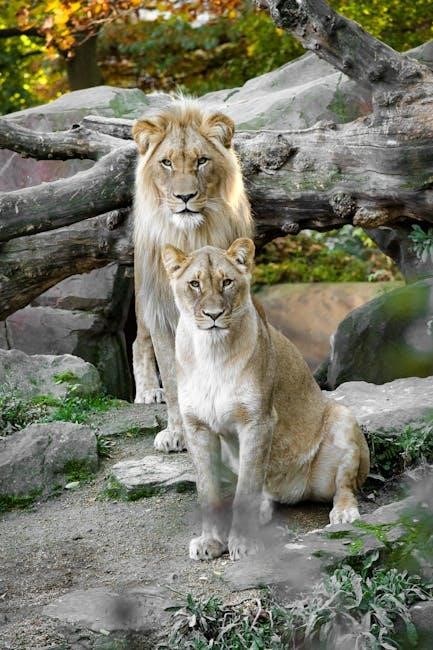
Aslan is the majestic and powerful lion who reigns as the rightful king of Narnia, embodying goodness, wisdom, and justice․ He represents a Christ-like figure, offering salvation and hope to the land oppressed by the White Witch’s eternal winter․
His sacrifice on the Stone Table is a pivotal moment, mirroring the crucifixion, and ultimately breaking the Witch’s power․ The PDF study guides and resources frequently analyze Aslan’s role as a symbol of divine love and redemption, highlighting the theological allegories within the story․

Understanding Aslan’s character is crucial to grasping the central conflict between good and evil․ Many downloadable resources, including comprehension questions and answer keys, focus on interpreting Aslan’s actions and pronouncements, emphasizing his significance as Narnia’s savior and the embodiment of ultimate authority․
The White Witch: Antagonist and Ruler of Narnia
Jadis, the White Witch, is the primary antagonist in The Lion, the Witch and the Wardrobe, wielding absolute power over Narnia through fear and an eternally frozen winter․ She represents evil, cruelty, and the temptation of power, creating a stark contrast to Aslan’s benevolent rule․
PDF study guides and comprehension resources extensively analyze her motivations and methods of control․ These materials often explore how she exploits Edmund’s weaknesses, offering him Turkish Delight as a means of manipulation․ The downloadable answer keys frequently address questions regarding her backstory and the source of her power․
Understanding the White Witch’s character is vital for comprehending the story’s central conflict․ Resources available in PDF format delve into her symbolic representation of sin and the consequences of choosing darkness over light, emphasizing her role as a formidable obstacle to Narnia’s liberation․
Mr․ Tumnus: The Faun and Initial Encounter
Mr․ Tumnus, a gentle faun, represents the initial bridge between Lucy Pevensie and the magical world of Narnia․ His character is central to the story’s opening, and PDF study guides dedicate significant attention to his pivotal role in introducing the children to Narnia’s wonders and dangers․
Downloadable resources often focus on the moral dilemma Tumnus faces – his initial intention to betray Lucy to the White Witch versus his growing compassion for her․ Comprehension questions within these PDFs explore his internal conflict and the reasons behind his eventual decision to help Lucy escape․
Analysis within PDF study materials highlights Tumnus as a symbol of Narnia’s oppressed inhabitants, suffering under the Witch’s rule․ His humble home and initial hospitality, despite his fears, are frequently discussed, emphasizing his inherent goodness and the transformative power of Lucy’s kindness․

Exploring Key Themes
PDF study guides dissect central themes like good versus evil, sacrifice, forgiveness, and courage․
These resources analyze how C․S․ Lewis portrays these concepts through characters and plot points within the narrative․
Good vs․ Evil: The Central Conflict
The fundamental struggle between good and evil permeates “The Lion, the Witch and the Wardrobe,” vividly explored within available PDF study guides․ The White Witch embodies absolute evil, holding Narnia in perpetual winter, a realm devoid of joy and freedom․ Her power stems from fear and control, contrasting sharply with Aslan’s benevolent rule․
PDF resources highlight how this conflict isn’t merely a battle of power, but a moral one․ Edmund’s initial betrayal, influenced by the Witch’s deceptive promises, exemplifies the allure of evil․ However, his eventual redemption underscores the possibility of overcoming darkness through sacrifice and forgiveness․
Analysis within these guides demonstrates how Aslan represents ultimate good, embodying justice, compassion, and selflessness․ The narrative consistently portrays good as inherently stronger, though it often requires sacrifice – Aslan’s own being the most poignant example – to triumph over evil․ PDFs often include comprehension questions focusing on identifying instances of good and evil throughout the story, fostering deeper understanding․
Sacrifice and Redemption: Aslan’s Role
Aslan’s sacrifice is the pivotal moment in “The Lion, the Witch and the Wardrobe,” deeply analyzed within available PDF study guides․ He willingly offers himself to the White Witch to save Edmund, fulfilling an ancient magic and demonstrating profound love and selflessness․ PDF resources emphasize this act as a parallel to Christian themes of atonement and redemption․
Detailed analyses in these guides explore how Aslan’s death isn’t an end, but a necessary step towards ultimate victory․ His resurrection signifies the triumph of good over evil and the breaking of the Witch’s power․ This act of sacrifice isn’t simply about saving Edmund; it’s about restoring hope and freedom to all of Narnia․
Comprehension questions within the PDFs often focus on the symbolism of Aslan’s sacrifice and its impact on the other characters․ The guides highlight how his actions inspire courage and faith, ultimately leading to the Pevensie children’s growth and their roles in defeating the White Witch․ PDFs underscore Aslan’s role as a savior and redeemer․
Forgiveness and Second Chances: Edmund’s Journey

Edmund’s arc, prominently featured in “The Lion, the Witch and the Wardrobe” PDF study guides, centers on his betrayal and subsequent redemption․ Initially lured by the White Witch’s promises, he commits a grave act by revealing his siblings’ presence, driven by selfish desires․ PDF resources meticulously detail his internal conflict and the consequences of his choices․
However, Aslan’s intervention offers Edmund a path to forgiveness․ Despite his wrongdoing, Aslan willingly sacrifices himself to save Edmund from the Witch’s punishment, demonstrating unconditional grace․ PDF comprehension questions often explore the significance of this act and its impact on Edmund’s character development․
Analysis within the guides highlights Edmund’s gradual transformation, as he learns humility, remorse, and ultimately, loyalty․ His journey underscores the theme of second chances and the power of forgiveness․ PDFs emphasize that redemption isn’t automatic, but requires genuine repentance and a commitment to doing good, ultimately making him a valuable ally in the final battle․
Courage and Bravery: The Pevensies’ Development
“The Lion, the Witch and the Wardrobe” PDF study guides thoroughly examine the Pevensie siblings’ evolving courage throughout their Narnian adventure․ Initially, each child displays varying degrees of bravery – Lucy’s initial trust, Peter’s protective instincts, Susan’s cautious nature, and Edmund’s vulnerability to temptation․ PDF resources track their individual growth as they face increasingly perilous situations․
The PDFs highlight how their experiences – encounters with Mr․ Tumnus, the White Witch, and Aslan – force them to confront their fears and develop resilience․ Peter’s leadership blossoms, Susan learns to overcome her hesitancy, and Lucy’s unwavering faith becomes a source of strength․ Even Edmund, after his redemption, demonstrates newfound bravery in the final battle․
Comprehension questions within the guides often focus on specific acts of courage and the motivations behind them․ The siblings’ collective bravery, fueled by their loyalty to Narnia and Aslan, ultimately leads to the defeat of the White Witch, showcasing their remarkable development as heroes, as detailed in the PDF analysis․

Educational Resources & Study Guides
Numerous PDF study guides support learning, including Family Learning Adventure Guides and LitLink resources․ PDFs also offer answer keys and comprehension questions for deeper analysis of the text․
Family Learning Adventure Guides (PDF Format)
Family Learning Adventure Guides, available in PDF format, offer a comprehensive approach to experiencing “The Lion, the Witch and the Wardrobe” with the entire family․ These guides, like the one found on Etsy Portugal, are designed to enhance understanding and engagement with the story, transforming reading into an interactive adventure․
These resources typically include discussion questions, activities, and creative prompts tailored to different age groups, fostering a shared learning experience․ They encourage exploration of key themes, character development, and the rich symbolism woven throughout C․S․ Lewis’s narrative․ The guides aim to go beyond simple comprehension, prompting critical thinking and imaginative responses․
The PDF format ensures easy accessibility and portability, allowing families to study the book at their own pace and in a convenient manner․ They are a valuable tool for homeschooling families, book clubs, or anyone seeking a more in-depth exploration of this beloved classic․
LitLink Guides: Supporting Literature Study
LitLink Guides serve as valuable companions for students and educators delving into “The Lion, the Witch and the Wardrobe․” Specifically designed to support literature study, these guides – available for PDF download – offer a structured approach to analyzing the novel’s complexities․ Christianbook․com provides access to the LitLink guide authored by David Twigg and Roy Sousa․
These guides typically include pre-reading activities, chapter-by-chapter questions, vocabulary exercises, and literary analysis prompts․ They aim to deepen comprehension, encourage critical thinking, and foster a greater appreciation for C․S․ Lewis’s writing style and thematic depth․
The PDF format allows for easy printing and distribution, making them ideal for classroom use or individual study․ LitLink Guides often incorporate elements of Christian worldview integration, aligning with the author’s faith and the story’s allegorical nature, providing a robust framework for literary exploration․
Answer Keys & Comprehension Questions (PDF)
PDF versions of answer keys and comprehension questions for “The Lion, the Witch and the Wardrobe” are readily available to assist educators and students․ These resources facilitate assessment and reinforce understanding of the narrative’s key elements․ The C․S․ Lewis Foundation offers an answer key, dated 2012, specifically designed for the novel․
Sample questions from these resources explore plot points, character motivations, and thematic significance․ For example, questions address why Peter believed they needed to help Mr․ Tumnus, or why the protagonist was taken by the White Witch’s police․
These PDF documents provide a convenient way to check student work, identify areas of confusion, and promote deeper engagement with the text․ They often include detailed explanations and justifications for the correct answers, fostering a more thorough learning experience․ Utilizing these resources streamlines the assessment process and enhances comprehension․
Historical Context & Publication Details
C․S․ Lewis penned “The Lion, the Witch and the Wardrobe” as part of the “Chronicles of Narnia” series․ Original editions date back to 1950, with copyright held by the C․S․ Lewis Foundation today․
C․S․ Lewis and the Chronicles of Narnia
Clive Staples Lewis, commonly known as C․S․ Lewis, was a British author, poet, literary scholar, and theologian․ He is celebrated for his works, especially the fantasy series, “The Chronicles of Narnia․” Lewis’s profound Christian faith heavily influenced his writing, imbuing the Narnia books with allegorical themes of good versus evil, sacrifice, and redemption․
“The Lion, the Witch and the Wardrobe,” published in 1950, is the first book in the series chronologically, though it was the second published․ The story emerged from Lewis’s imaginative world-building, initially conceived during World War II․ He sought to present Christian concepts in an accessible and engaging manner for children․
The enduring popularity of the Chronicles stems from their captivating narrative, memorable characters like Aslan and the White Witch, and universal themes that resonate with readers of all ages․ Lewis’s skillful storytelling continues to inspire and enchant generations, solidifying his place as a literary giant․ The C․S․ Lewis Foundation actively preserves and promotes his legacy․
Original Publication Date & Editions
“The Lion, the Witch and the Wardrobe” was first published in 1950 by Geoffrey Bles in the United Kingdom․ The initial print run quickly sold out, demonstrating immediate public interest in Lewis’s fantastical tale․ A U․S․ edition followed in 1950, published by Macmillan․
Over the decades, numerous editions have been released, catering to diverse audiences․ These range from standard hardcover and paperback versions to illustrated editions and special collector’s copies․ The copyright for the work is held by the C․S․ Lewis Foundation, ensuring the continued protection of his literary creation․
Digital editions, including PDF, EPUB, and DOCX formats, have become increasingly popular, offering convenient access to the story․ The Internet Archive features digitized versions from various publication years, including a 2010 edition and a 2021 edition, allowing for free borrowing and streaming․ These editions maintain the core narrative while adapting to evolving reading preferences․
The C․S․ Lewis Foundation & Copyright Information
The C․S․ Lewis Foundation plays a crucial role in preserving and promoting the author’s legacy, including “The Lion, the Witch and the Wardrobe․” They actively manage the copyright for the Chronicles of Narnia series, ensuring responsible use and distribution of Lewis’s work․ Copyright protection extends to all editions, including digital formats like PDFs․
The Foundation’s website provides detailed information regarding copyright permissions and licensing for various uses, such as educational purposes or adaptations․ They are committed to fostering appreciation for Lewis’s writings while safeguarding his intellectual property․
Notably, the Internet Archive acknowledges the copyright held by the C․S․ Lewis Foundation in its digitized versions, specifically noting “Copyright C․S․ Lewis Foundation 2012” on certain resources․ Accessing legally obtained PDFs or utilizing resources with proper licensing ensures respect for the author’s rights and supports the Foundation’s ongoing efforts․
Accessing the Text Online
Numerous platforms offer online access to “The Lion, the Witch and the Wardrobe” in PDF format․
The Internet Archive enables free borrowing and streaming, while various websites provide digital file options․
Internet Archive: Free Borrowing & Streaming

The Internet Archive stands as a valuable resource for accessing “The Lion, the Witch and the Wardrobe” digitally․ It offers both free borrowing and streaming options, allowing readers to engage with the story without purchasing a physical copy or ebook․ Users can find multiple editions of the book available through the archive, including digitized versions of older printings․
Specifically, a listing by Robinette (2010) is available, identified by the OCLC record number 1036687466 and associated identifiers like urn:lcp:lionwitchwardrob00robi and urn:lcp:lionwitchwardrob00robi:epub․ This indicates a comprehensive digital record․ The archive’s lending system allows users to “borrow” the book for a limited time, while streaming provides immediate access for reading online․ This accessibility makes the classic tale readily available to a wide audience, promoting literacy and enjoyment of C․S․ Lewis’s work․
Furthermore, the Internet Archive’s commitment to preserving and providing access to cultural artifacts ensures that “The Lion, the Witch and the Wardrobe” remains available for generations to come;
Digital File Types: PDF, DOCX, TXT, EPUB
“The Lion, the Witch and the Wardrobe” is widely available in various digital file formats, catering to diverse reading preferences and device compatibility․ PDF is a common format, often used for preserving formatting and visual elements, ideal for study guides and comprehensive editions like the Family Learning Adventure Guide found on Etsy Portugal․
DOCX and TXT formats offer flexibility for editing and basic reading, respectively, while EPUB is a popular choice for ebooks, allowing text reflowing for optimal reading on e-readers and mobile devices․ The Internet Archive provides access to EPUB versions alongside other formats․ These diverse options ensure accessibility across a range of platforms․
The availability in multiple formats also supports different learning styles; for example, a PDF might be preferred for detailed analysis, while a TXT file could be useful for quick reference․ Finding the book as a Word Doc (․doc/․docx) is also possible, facilitating easy copying and pasting of text for study purposes․