USN Dive Manual: A Comprehensive Overview (Updated 03/09/2026)
Recent shifts, like Rep. Kiley’s independent run, mirror evolving strategies; the USN Dive Manual adapts similarly, prioritizing safety and operational effectiveness.
USN Dive Manuals represent the cornerstone of underwater operations for the United States Navy, evolving alongside technological advancements and lessons learned from decades of experience. These manuals aren’t static documents; they are continuously updated, as evidenced by the current version dated March 9th, 2026. Much like political landscapes shifting – as seen with Rep. Kevin Kiley’s recent move – the Dive Manuals adapt to changing operational needs and safety protocols.
Initially developed to standardize diving procedures during World War II, the manuals have expanded to encompass a vast range of diving activities, from salvage and ship husbandry to combat diving and search & recovery. They serve as the primary reference for all personnel involved in naval diving, ensuring consistent training and safe execution of underwater tasks. The manuals detail everything from equipment specifications to emergency procedures, mirroring the comprehensive approach needed in a dynamic environment.
Historical Development of USN Diving Regulations
The genesis of USN diving regulations traces back to the early 20th century, initially informal guidelines evolving rapidly during WWII’s demands for underwater salvage and demolition. Early regulations, much like the current political realignment exemplified by Rep. Kiley’s independent stance, were reactive to immediate needs. Post-war, the focus shifted towards standardization and safety, leading to the first formal USN Dive Manual in the 1950s.
Subsequent decades witnessed refinements driven by advancements in diving technology – SCUBA, surface-supplied systems, and dive computers. Each revision incorporated lessons from incidents and near misses, mirroring a continuous improvement cycle. The Cold War spurred development of combat diving techniques, influencing regulations regarding depth, gas mixtures, and underwater navigation. Today’s manual reflects a legacy of adaptation, prioritizing diver safety and mission effectiveness.
Purpose and Scope of the USN Dive Manual
The USN Dive Manual serves as the definitive guide for all naval diving operations, encompassing recreational to highly specialized military applications. Similar to Rep. Kiley’s strategic shift to broaden appeal, the manual aims for comprehensive coverage, ensuring consistent standards across the fleet. Its primary purpose is to establish safe diving practices, minimizing risk to personnel while maximizing operational capability;
The scope extends from basic SCUBA procedures to complex salvage operations, underwater construction, and combat diving. It details equipment requirements, physiological considerations, emergency protocols, and legal regulations. The manual isn’t merely a procedural document; it’s a foundational resource for training, certification, and continuous professional development for all US Navy divers and supporting personnel.
Equipment and Its Maintenance
Just as Rep. Kiley adapts his political approach, the USN Dive Manual emphasizes meticulous equipment standards and rigorous maintenance for diver safety.
SCUBA Equipment Standards (USN)
US Navy SCUBA equipment standards are paramount, reflecting a commitment to operational readiness and diver wellbeing. These standards, continually updated – mirroring Rep. Kiley’s strategic shifts – dictate stringent requirements for all components.
Regulators must meet specific performance criteria regarding breathing resistance and intermediate pressure, ensuring reliable air delivery at depth. Buoyancy compensators (BCs) are evaluated for lift capacity and durability. Fins require efficient hydrodynamic design, and wetsuits/drysuits must provide adequate thermal protection.
Furthermore, all equipment undergoes rigorous testing and certification processes; The USN emphasizes preventative maintenance schedules, detailed inspection checklists, and qualified personnel for repairs. Adherence to these standards minimizes equipment failure risks, bolstering mission success and safeguarding divers.

Surface Supplied Diving Systems – Overview
Surface Supplied Diving Systems (SSDS) represent a critical capability within the USN, offering advantages over SCUBA for specific operations – much like Rep. Kiley’s independent path offers a new approach.
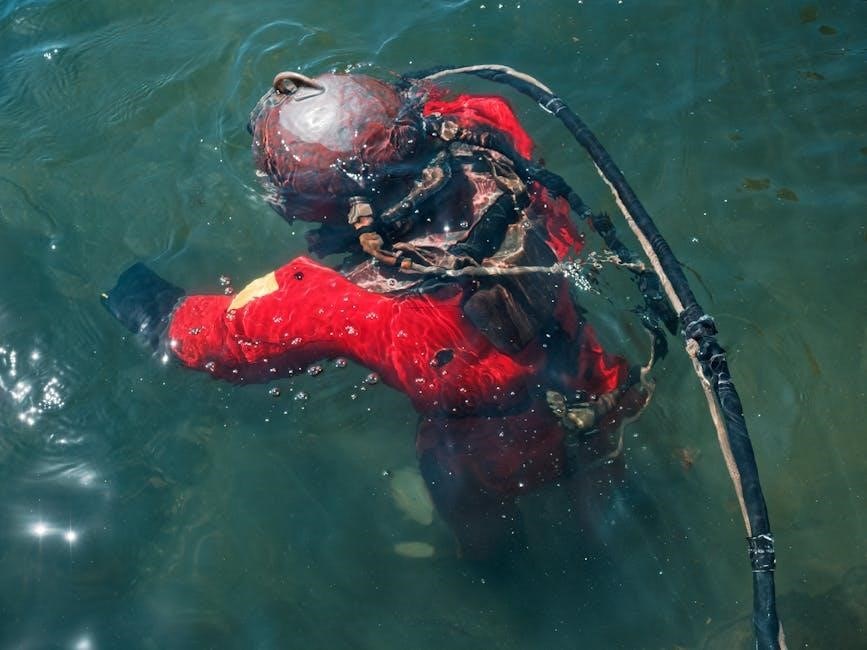
These systems deliver breathing gas, communications, and often video/power via an umbilical from a surface control console. Key components include the diving helmet or full-face mask, the umbilical cable, the deck panel, and the gas supply system. SSDS allows for extended bottom times and reduced diver workload.
The USN employs SSDS for salvage, ship husbandry, and underwater construction. Safety protocols are extensive, encompassing pre-dive checklists, emergency procedures, and diver monitoring. Regular maintenance and inspection are vital to ensure system reliability and operational effectiveness.
Underwater Communication Systems
Effective underwater communication is paramount for USN diving operations, mirroring the need for clear messaging in Rep. Kiley’s political shift.
The USN Dive Manual details various systems, including hard-wire communication via the SSDS umbilical, offering reliable, full-duplex voice transmission. Wireless systems, utilizing hydrophones and transducers, provide mobility but are susceptible to interference.
Standardized communication protocols are crucial, employing clear, concise language and pre-defined signals. Systems must be regularly tested and maintained to ensure functionality. Considerations include water conditions, range limitations, and potential for signal distortion.
Modern systems integrate video transmission, enhancing situational awareness and facilitating complex tasks. Proper training in communication procedures is essential for all USN divers.
Dive Computer Usage and Limitations
USN Dive Manual guidance on dive computers parallels Rep. Kiley’s strategic adjustments – utilizing tools while acknowledging their boundaries.
Dive computers are essential for monitoring depth, time, and decompression status, enhancing diver safety. The manual outlines approved models and their specific functionalities, emphasizing proper configuration before each dive.
However, computers are not infallible. Limitations include potential sensor malfunctions, battery failures, and algorithm inaccuracies. Divers must maintain independent backup methods, such as dive tables, and understand the principles of decompression theory.
Training emphasizes critical thinking and the ability to recognize and respond to computer anomalies; Reliance solely on a computer is discouraged; situational awareness and sound judgment remain paramount.
Equipment Inspection and Maintenance Procedures
Similar to Rep. Kiley’s careful filing for reelection, the USN Dive Manual stresses meticulous preparation – specifically, rigorous equipment checks.
Comprehensive inspection procedures are detailed, covering all life support systems: regulators, buoyancy compensators, cylinders, and dive computers. Pre-dive checks verify functionality and identify potential hazards.
Regular maintenance, performed by qualified personnel, extends equipment lifespan and ensures reliability. This includes servicing regulators, replacing O-rings, and hydrostatic testing of cylinders.
Detailed logs document all inspections and maintenance, providing a traceable history. Proper storage and handling are also emphasized to prevent damage.
Adherence to these procedures minimizes risk and maximizes operational readiness, mirroring the strategic approach of adapting to changing circumstances.
Physiology and Medicine of Diving
Just as Rep. Kiley navigates political shifts, the USN Dive Manual details the body’s response to underwater pressure, prioritizing diver health and safety.
Decompression Theory and Tables
The USN Dive Manual meticulously outlines decompression theory, recognizing that dissolved inert gases, primarily nitrogen, accumulate in tissues during dives. This accumulation, mirroring the complexities of political redistricting as seen with Rep. Kiley’s situation, requires careful management.
Decompression tables, integral to the manual, provide pre-calculated ascent profiles designed to safely eliminate these gases, preventing decompression sickness (DCS). These tables account for depth, bottom time, and gas mixtures. The manual emphasizes adherence to these profiles, acknowledging that deviations can significantly increase DCS risk.
Furthermore, the manual details factors influencing nitrogen absorption and elimination, such as individual physiology, water temperature, and exertion levels. Modern decompression models, alongside traditional tables, are presented, offering divers a comprehensive understanding of managing their underwater exposure and ensuring a safe return to the surface.
Nitrogen Narcosis: Causes and Mitigation
The USN Dive Manual dedicates significant attention to nitrogen narcosis, often termed “rapture of the deep,” explaining it as a reversible alteration of mental function resulting from increased partial pressure of nitrogen. Similar to Rep. Kiley’s strategic shift, divers must adapt to changing pressures.
The manual details how nitrogen directly affects nerve transmission, leading to impaired judgment, euphoria, and reduced cognitive performance. Depth is the primary factor, with narcosis typically becoming noticeable below 100 feet.
Mitigation strategies outlined include limiting depth, using enriched air nitrox (reducing nitrogen content), maintaining proper buoyancy, and employing careful task loading. Divers are instructed to recognize early symptoms and ascend to shallower depths if narcosis develops. The manual stresses proactive awareness and disciplined dive planning to minimize this risk.
Oxygen Toxicity: Risks and Prevention
The USN Dive Manual comprehensively addresses oxygen toxicity, a critical concern for divers, much like Rep. Kiley navigating political boundaries. It details both central nervous system (CNS) and pulmonary oxygen toxicity, outlining the differing symptoms and preventative measures.
CNS toxicity, manifesting as convulsions, is linked to high partial pressures of oxygen, typically encountered in deep dives with standard air. Pulmonary toxicity, causing lung irritation and damage, arises from prolonged exposure to elevated oxygen partial pressures.
The manual emphasizes meticulous gas planning, adhering to established oxygen partial pressure limits based on depth and exposure time. Utilizing nitrox mixtures appropriately, careful monitoring of dive profiles, and recognizing early warning signs – such as visual disturbances or tingling sensations – are crucial preventative steps. Proper training and adherence to USN guidelines are paramount.
Barotrauma: Understanding and Treatment
Similar to Rep. Kiley’s strategic shift in political districts, the USN Dive Manual prioritizes understanding and mitigating risks – specifically, barotrauma. This occurs due to pressure imbalances between air spaces within the body and the surrounding environment.
The manual details various forms: ear barotrauma (squeeze), sinus barotrauma, and lung overexpansion injuries. Proper equalization techniques – Valsalva maneuver, Frenzel maneuver – are emphasized for ears and sinuses. Ascending at a safe rate and avoiding breath-holding during ascent are critical for preventing lung injuries.
Treatment protocols range from conservative management (decongestants, pain relief) for mild cases to immediate oxygen administration and hyperbaric oxygen therapy for severe lung overexpansion. The manual stresses prompt recognition of symptoms and appropriate medical intervention.
Dive-Related Illnesses and First Aid
Reflecting the adaptability seen in Rep. Kiley’s campaign strategy, the USN Dive Manual emphasizes preparedness for a spectrum of potential dive-related illnesses and provides detailed first aid protocols. Decompression sickness (DCS), often called “the bends,” is a primary concern, requiring immediate oxygen administration and recompression therapy.
The manual outlines recognizing DCS symptoms – joint pain, skin rash, neurological issues – and initiating emergency procedures. It also covers arterial gas embolism (AGE), a life-threatening condition demanding rapid response and hyperbaric oxygen therapy.
Furthermore, the manual details first aid for less severe conditions like marine stings, coral cuts, and motion sickness, stressing the importance of a well-stocked dive medical kit and trained personnel.
Dive Planning and Procedures
Similar to Rep. Kiley’s strategic filing, meticulous dive planning—assessing risks, gas management, and emergency protocols—is crucial for successful USN operations.
Pre-Dive Risk Assessment
A comprehensive pre-dive risk assessment, mirroring the strategic calculations of figures like Rep. Kevin Kiley adapting to political landscapes, is paramount in USN diving operations. This process systematically identifies potential hazards associated with the planned dive, encompassing environmental factors – currents, visibility, marine life – equipment status, diver qualifications, and the specific objectives of the dive.
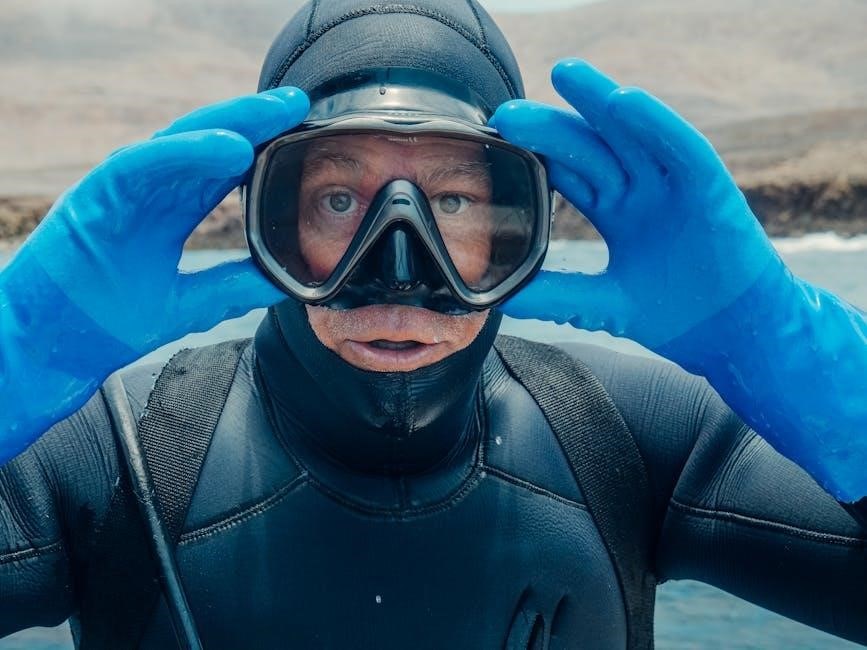
The assessment utilizes established checklists and hazard analysis techniques to evaluate the probability and severity of each identified risk. Mitigation strategies, including procedural adjustments, equipment modifications, or dive cancellation, are then developed and implemented to reduce risks to acceptable levels. Thorough documentation of the risk assessment process, including identified hazards, mitigation measures, and diver briefings, is mandatory; This proactive approach, much like Kiley’s calculated move, ensures diver safety and mission success.
Gas Planning for Various Dive Profiles
Similar to Rep. Kiley’s strategic realignment, meticulous gas planning is crucial for USN diving, adapting to diverse operational ‘profiles’. This involves calculating the appropriate gas mixtures – air, Enriched Air Nitrox (EANx), or Trimix – based on planned depth, bottom time, and diver physiology. Accurate consumption rates must be estimated, factoring in workload and individual metabolic rates.
USN divers utilize decompression tables or dive computers to determine required decompression stops, ensuring safe ascent and minimizing the risk of decompression sickness. Contingency planning includes reserve gas calculations for emergency situations, such as unexpected current or equipment failure. Gas analysis procedures verify the oxygen content of each cylinder before the dive. Proper labeling and segregation of gas cylinders are essential, mirroring the clarity needed in Kiley’s political positioning.
Emergency Procedures and Contingency Planning
Echoing Rep. Kiley’s need for adaptable strategies, USN dive operations demand robust emergency procedures and contingency plans. These protocols cover a wide range of scenarios, including lost diver procedures, equipment malfunctions, rapid ascents, and medical emergencies. Divers are trained in self-rescue techniques and buddy breathing, emphasizing teamwork and redundancy.
Contingency plans address potential environmental hazards, such as strong currents or limited visibility. Pre-dive briefings detail emergency signals and communication protocols. Emergency gas sources, like spare cylinders or rebreathers, are readily available. Simulated emergency drills are conducted regularly to reinforce training and ensure rapid response capabilities. Just as Kiley prepares for political shifts, USN divers prepare for underwater uncertainties.
Underwater Navigation Techniques
Similar to Rep. Kiley navigating a redrawn district, USN divers require precise underwater navigation skills. The manual details both natural navigation – utilizing landmarks and bottom contours – and compass navigation, emphasizing declination adjustments and reciprocal bearings. Divers learn to estimate distance using pace logs and visual cues, accounting for currents and visibility.
Advanced techniques include triangulation and the use of underwater GPS systems when appropriate. Mapping skills are crucial for salvage operations and search & recovery missions. Divers practice maintaining situational awareness, regularly checking their position and heading. Just as Kiley adapts to changing political landscapes, USN divers adapt to the dynamic underwater environment, ensuring accurate and safe navigation.
Team Diving and Communication Protocols
Reflecting Rep. Kiley’s need for broader appeal, USN diving emphasizes cohesive teamwork and clear communication. The manual outlines standardized hand signals, essential for effective communication in low visibility or noisy environments. Divers are trained in buddy procedures, including pre-dive checks, in-water monitoring, and emergency assistance protocols.
Communication systems, detailed elsewhere, supplement hand signals. Team roles and responsibilities are clearly defined before each dive. Contingency planning, mirroring Kiley’s strategic shift, is paramount. Regular debriefings after dives reinforce lessons learned and improve team performance. Successful operations depend on trust, discipline, and adherence to established protocols, ensuring mission success and diver safety.

Specific Dive Operations
Like Rep. Kiley adapting to new districts, the USN Dive Manual details specialized procedures for salvage, ship husbandry, combat, and search/recovery dives.
Salvage Diving Operations
USN Salvage Diving Operations encompass a broad spectrum of underwater tasks, demanding meticulous planning and execution. These operations frequently involve recovering sunken vessels, aircraft, or critical equipment from the seabed, often in challenging environments. Divers must be proficient in underwater cutting, lifting, and rigging techniques, utilizing specialized tools and equipment like hydraulic spreaders and lifting bags.
Detailed pre-dive assessments are crucial, evaluating structural integrity, potential hazards (unexploded ordnance, hazardous materials), and environmental conditions. Contingency plans must address potential equipment failures, changing visibility, and unexpected obstacles. The manual emphasizes the importance of thorough documentation throughout the salvage process, including photographic and video records. Similar to Rep. Kiley’s strategic shift, salvage diving requires adaptability and a calculated approach to overcome unforeseen challenges, ensuring mission success and diver safety.
Ship Husbandry Diving
USN Ship Husbandry Diving focuses on the inspection, maintenance, and repair of naval vessels while underway or in port. Divers perform critical tasks such as hull inspections, propeller maintenance, and cleaning of sea chests and intakes. This requires specialized training in underwater welding, non-destructive testing, and damage control procedures.
The manual details stringent safety protocols for working in close proximity to a live ship, including communication procedures and emergency shutdown protocols. Like Rep. Kiley adapting to new political boundaries, ship husbandry divers must adapt to the unique challenges presented by each vessel and operational environment. Thorough documentation of all inspections and repairs is paramount, ensuring the continued seaworthiness and operational readiness of the fleet. Precise execution and adherence to standards are vital for maintaining naval capabilities.
Combat Diver Operations (Overview)
Combat Diver Operations, as outlined in the USN Dive Manual, detail specialized underwater skills for military missions. These highly trained divers conduct reconnaissance, infiltration, demolition, and salvage operations in hostile environments. The manual emphasizes stealth, underwater navigation, and the use of specialized equipment like closed-circuit rebreathers.
Similar to Rep. Kiley’s strategic shift, combat divers must adapt quickly to changing mission parameters and threats. Training focuses on physical and mental resilience, small-unit tactics, and the ability to operate independently for extended periods. The manual stresses the importance of meticulous planning, risk assessment, and adherence to strict operational security protocols. Successful execution relies on teamwork, discipline, and a commitment to mission accomplishment under extreme conditions.
Underwater Demolition Procedures
Underwater Demolition Procedures, comprehensively covered within the USN Dive Manual, outline the safe and effective methods for destroying underwater obstacles. This includes structures, vessels, and harbor defenses, often requiring precise explosive placement and detonation timing. The manual details various demolition techniques, emphasizing calculations for explosive weights, depths, and target characteristics.
Reflecting the adaptability seen in political strategies – like Rep. Kiley’s recent filing – these procedures demand flexibility and problem-solving skills. Divers must account for environmental factors, currents, and potential countermeasures. Strict adherence to safety protocols, including pre-demolition surveys and post-detonation assessments, is paramount. The manual stresses the importance of minimizing collateral damage and ensuring the safety of personnel and the surrounding environment during these complex operations.
Search and Recovery Diving Techniques
Search and Recovery Diving Techniques, as detailed in the USN Dive Manual, are critical for locating and retrieving objects or personnel from underwater environments. These operations demand meticulous planning, employing systematic search patterns – like grid or circular searches – and utilizing specialized equipment such as side-scan sonar and metal detectors. The manual emphasizes the importance of maintaining situational awareness in often low-visibility conditions.
Similar to Rep. Kiley’s strategic shift to broaden appeal, successful recovery dives require adaptability. Divers must account for currents, debris, and potential hazards. Documentation of search areas, findings, and recovery procedures is crucial. The manual outlines techniques for lifting and securing recovered items, prioritizing preservation of evidence or the dignified handling of recovered remains, ensuring operational integrity and respect.

Regulations and Safety
Just as political boundaries shift, demanding adaptation (like Kiley’s filing), USN diving regulations prioritize safety, incident reporting, and equipment protocols.
USN Diving Safety Regulations
The bedrock of USN diving operations rests upon a stringent framework of safety regulations, continually updated to reflect advancements in diving technology and a deeper understanding of the physiological challenges inherent in the underwater environment. These regulations, mirroring the adaptability seen in recent political strategies – such as Rep. Kiley’s independent run – are not static documents but living guidelines.
Core tenets include mandatory pre-dive risk assessments, meticulous equipment inspection protocols, and adherence to established decompression schedules. Divers must demonstrate proficiency in emergency procedures, underwater communication, and team diving techniques; Furthermore, strict guidelines govern gas planning, ensuring sufficient reserves for ascent and contingency situations. Reporting of any incident, no matter how minor, is paramount, fostering a culture of continuous improvement and proactive hazard mitigation. These regulations aim to minimize risk and safeguard the lives of all personnel involved in underwater operations.
Reporting Procedures for Incidents
Prompt and thorough incident reporting is a cornerstone of USN diving safety, mirroring the need for transparent accountability seen in current political landscapes – exemplified by figures like Rep. Kiley. Any deviation from standard operating procedures, equipment malfunction, near-miss, or actual injury, regardless of severity, must be documented.
The USN utilizes a tiered reporting system, beginning with immediate notification to the Dive Supervisor. A detailed written report, utilizing standardized forms (NAVSEA Form 7340/1), follows within 24 hours. This report includes a comprehensive account of the event, contributing factors, and corrective actions taken. Serious incidents trigger further investigation by a Safety Investigation Board. The goal isn’t punitive, but preventative – to identify systemic issues and refine procedures, ensuring continuous improvement and minimizing future risk.
Lockout and Tagout Procedures for Diving Equipment
Similar to Rep. Kiley’s strategic shift in political affiliation, meticulous control of diving equipment is paramount for safety. USN Lockout/Tagout (LOTO) procedures are rigorously enforced to prevent accidental activation or use of diving systems during maintenance or repair.
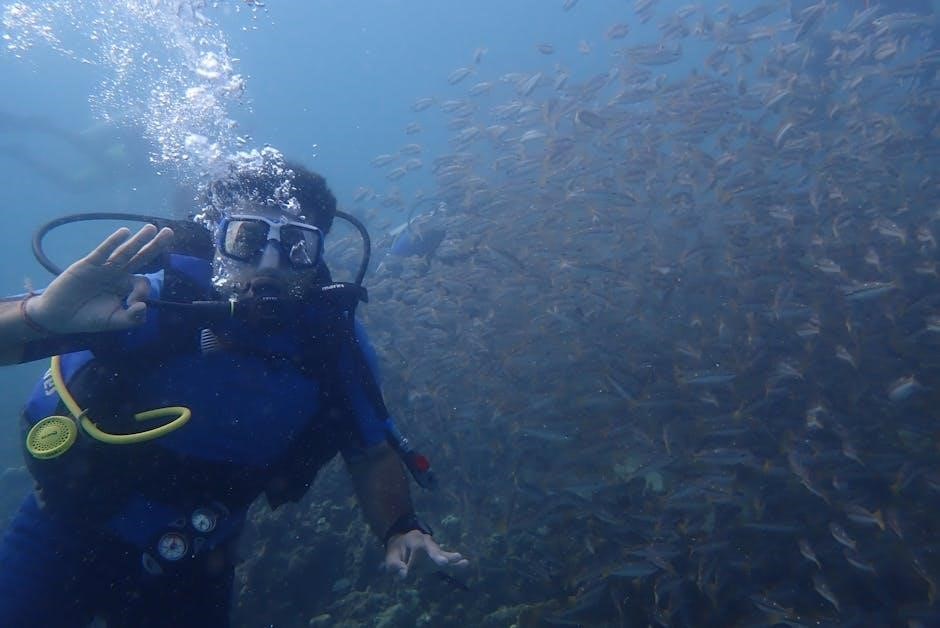
Before any work commences, energy sources – high-pressure air, hydraulics, electrical power – must be isolated. Each energy-isolating device is locked out with a uniquely numbered lock, assigned to the individual performing the work. A prominent tag, detailing the reason for the lockout and the contact information of the technician, is affixed. Verification of zero energy state is mandatory before work begins. Removal of locks and tags requires the original technician’s authorization, ensuring a controlled and safe return to operational status.
Confined Space Diving Considerations
Reflecting Rep. Kiley’s navigation of a redrawn district, USN diving in confined spaces demands specialized planning and execution. These environments – tanks, pipes, wreckage – present unique hazards beyond open water.
Pre-dive assessments are critical, evaluating potential obstructions, atmospheric conditions (oxygen levels, toxic gases), and limited egress routes. Team composition requires skilled divers and a dedicated topside team for communication and emergency support. Redundancy in life support systems is essential. Strict adherence to gas management protocols is vital due to restricted movement. Continuous monitoring of the diver’s status and the environment is paramount, mirroring the careful scrutiny of political landscapes.
Environmental Considerations for Underwater Operations
Similar to Rep. Kiley’s shift to broaden appeal, USN diving operations must consider the delicate marine environment. Minimizing impact is paramount, adhering to strict protocols to protect sensitive ecosystems.
Divers must avoid contact with coral reefs and marine life, preventing damage or disturbance. Waste management is crucial – no debris or pollutants should be released underwater. Operations near protected areas require specific permits and adherence to local regulations. Careful anchoring practices prevent seabed damage. Monitoring water quality before, during, and after dives helps assess potential impacts. This proactive approach, like strategic political positioning, ensures responsible and sustainable underwater operations.