
Tailoring in Cataclysm Classic offers a path to crafting valuable cloth armor and bags, becoming a lucrative profession for dedicated players. This comprehensive guide details everything needed to master Tailoring!
What is Tailoring?
Tailoring is a crafting profession in Cataclysm Classic focused on creating armor and bags from cloth. Unlike professions dealing with leather or metal, Tailoring utilizes fabrics gathered from various sources throughout Azeroth. Players specializing in Tailoring transform raw materials – like Linen, Wool, Silk, and Mageweave – into wearable gear and useful containers.
This profession is particularly valuable for casters, as cloth armor provides the highest magical defense. Beyond armor, Tailoring allows the creation of enchanting materials, and even cosmetic items. Mastering Tailoring requires skill increases through crafting, unlocking more complex and powerful recipes as you progress from Apprentice to Artisan levels.
Why Choose Tailoring?
Selecting Tailoring in Cataclysm Classic presents several compelling advantages. Primarily, it’s a fantastic way to gear up caster classes, providing access to powerful cloth armor unavailable elsewhere. Furthermore, Tailoring offers consistent gold-making opportunities through bag crafting, always in high demand on the Auction House.
Unlike some professions reliant on rare drops, Tailoring materials are relatively easy to acquire, ensuring a steady progression. It also complements other professions like Enchanting, allowing for self-sufficiency in gear upgrades. Finally, Tailoring provides a creative outlet, letting players customize their appearance with unique crafted items.
Leveling Tailoring 1-525
Efficiently reaching 525 Tailoring in Cataclysm Classic requires strategic recipe choices and material gathering, progressing through distinct skill tiers.
Apprentice Tailoring (1-75)
Apprentice Tailoring, levels 1-75, is the foundational stage, easily started at level 5 by visiting a Tailoring trainer in any major city. Focus on crafting Linen Cloth items – bandages, shirts, and pants – as these are inexpensive and readily available. Wool Cloth becomes viable as you progress.
Prioritize recipes that yield skill-ups, even if the items aren’t valuable on the Auction House. Early skill gains are quick, but require consistent crafting. Remember to check trainer locations; they are conveniently situated within Alliance and Horde hubs. This initial phase establishes the core skills needed for more complex crafting later on, setting the stage for Journeyman Tailoring.
Journeyman Tailoring (75-150)
Journeyman Tailoring, spanning levels 75 to 150, introduces Silk Cloth into the crafting mix, alongside continued use of Wool. This phase requires more investment in materials, as Silk is typically more expensive than Linen or Wool. Focus on crafting items like Silk Bandages, Robes, and heavier pants to efficiently gain skill points.
Auction House prices become more relevant now; consider crafting items with potential resale value. Continue visiting your Tailoring trainer to learn new recipes; Skill gains slow down slightly, so efficient material sourcing is key. Prepare for the next stage, Expert Tailoring, by accumulating resources.
Expert Tailoring (150-225)
Reaching Expert Tailoring (levels 150-225) unlocks more complex patterns utilizing Mageweave and Runecloth. This is where Tailoring truly begins to shine, offering gear with stats relevant for end-game content. Prioritize crafting items that utilize Runecloth, as it’s a valuable material.
Focus on crafting items that sell well on the Auction House, like bags and cloaks. Regularly check prices to maximize profits. Remember to visit your trainer for new recipes. Skill-ups become increasingly expensive, so efficient material gathering or purchasing is crucial for continued progress towards Artisan Tailoring.
Artisan Tailoring (225-525)
Artisan Tailoring (225-525) represents the pinnacle of cloth crafting in Cataclysm Classic. This stage unlocks the ability to create the highest-tier gear, including epic-quality items. Expect a significant increase in material costs, particularly for Embersilk Cloth and Primal Solids.
Focus on crafting gear with desirable stats for raiders and PvP players. Regularly monitor Auction House trends to identify profitable recipes. Consider specializing in a specific type of gear, like cloaks or chest pieces, to maximize efficiency. Reaching 525 unlocks all Tailoring recipes and allows you to create powerful end-game items.

Tailoring Trainers and Locations
Tailoring trainers are found in major cities, offering skill increases. Master Tailors for Artisan skills reside in Shadowprey Village and Theramore.
Alliance Tailoring Trainers
For Alliance players eager to advance their Tailoring skills in Cataclysm Classic, several trainers are strategically located throughout the major cities. Starting at level 5, you can find Apprentice Tailoring trainers in Stormwind City, Ironforge, and Darnassus. Specifically, look for Master Tailor Borin in Stormwind, offering initial skill-ups.
As you progress to Journeyman Tailoring (levels 50-75), continue visiting the same cities, seeking out the appropriate trainers. To reach the coveted Artisan Tailoring level, a journey to Theramore Isle is required. Master Tailor Lyla is the sole trainer offering this final tier of skill advancement for the Alliance, enabling you to craft the most powerful cloth items.
Horde Tailoring Trainers
Horde players seeking to master Tailoring in Cataclysm Classic will find skilled instructors in key locations. Begin your journey at level 5 with Apprentice Tailoring trainers available in Orgrimmar, Undercity, and Sen’jin Village. Look for Master Tailor Gor’tok in Orgrimmar to initiate your crafting path.
Progressing to Journeyman Tailoring (levels 50-75) requires revisiting these cities and locating the corresponding trainers. However, to unlock the pinnacle of Tailoring – Artisan Tailoring – a trip to Shadowprey Village in Desolace is essential. Master Tailor Ral’jin is the only Horde trainer offering this advanced skill level, allowing you to create the best cloth gear.
Materials Required for Tailoring
Tailoring relies heavily on various cloths, like Linen, Wool, Silk, and Mageweave, alongside essential components such as threads and needles for crafting.
Cloth Sources
Gathering cloth is fundamental to successful Tailoring. Lower-level cloths, such as Linen, Wool, and Silk, are readily obtained through skinning beasts and looting humanoid enemies in early zones. As you progress, Mageweave Cloth becomes crucial, dropping from creatures in higher-level areas like Burning Steppes and Searing Gorge.
Players can also purchase cloth from the Auction House, though prices fluctuate based on server demand. Farming specific zones known for high cloth drop rates can be efficient. Remember to utilize addons that track cloth prices and availability to maximize profits when buying or selling. Don’t underestimate the value of dismantling unwanted gear for additional cloth!
Thread and Other Components
Beyond cloth, Tailoring requires various components. Thread is essential, purchased from Tailoring suppliers in major cities. The type of thread needed depends on the recipe; coarser threads are used for lower-level items, while finer threads are required for higher-quality gear.
Additional components include items like Runecloth, which becomes vital at higher skill levels, and various gems and enchanting materials for specialized recipes. Regularly check vendor stock and the Auction House for these components, as availability can vary. Efficient component gathering is key to maximizing your Tailoring profits and minimizing costs.
Profitable Tailoring Recipes
Tailoring offers lucrative opportunities! Early game focuses on cloth and bags, while later levels unlock powerful gear and sought-after items for profit.
Early Game Recipes (Levels 1-200)
During the initial stages of Tailoring, from levels 1 to 200, focus on crafting items that are consistently in demand and require readily available materials. Linen Cloth and Wool Cloth are your primary resources. Early recipes include simple cloth armor like Linen Shirts and Woolen Pants, providing a steady income stream.
Bags are exceptionally profitable at these levels. Embroidered Silk Bags and Rugged Linen Bags sell well on the Auction House due to their utility for players needing inventory space. Prioritize recipes that utilize abundant materials to minimize costs and maximize profits. Don’t overlook Runecloth Scraps; even small gains add up. Remember to check Auction House prices frequently to identify the most lucrative items to craft at any given time!
Late Game Recipes (Levels 200-525)
As you progress from levels 200 to 525, Tailoring unlocks more complex and profitable recipes. Focus shifts towards crafting high-quality cloth armor and bags utilizing Embersilk Cloth, Hexweave Cloth, and Prismweave Cloth. These materials are more expensive, but the resulting items command significantly higher prices on the Auction House.
Look for patterns that create gear with desirable stats for raiders and PvP players. Crafting bags like the Azure Silk Satchel and the Hexweave Bag is consistently profitable. Don’t neglect the potential of tailoring special items like cloaks and shirts. Regularly monitor Auction House trends to identify items with high demand and adjust your crafting accordingly for maximum returns!
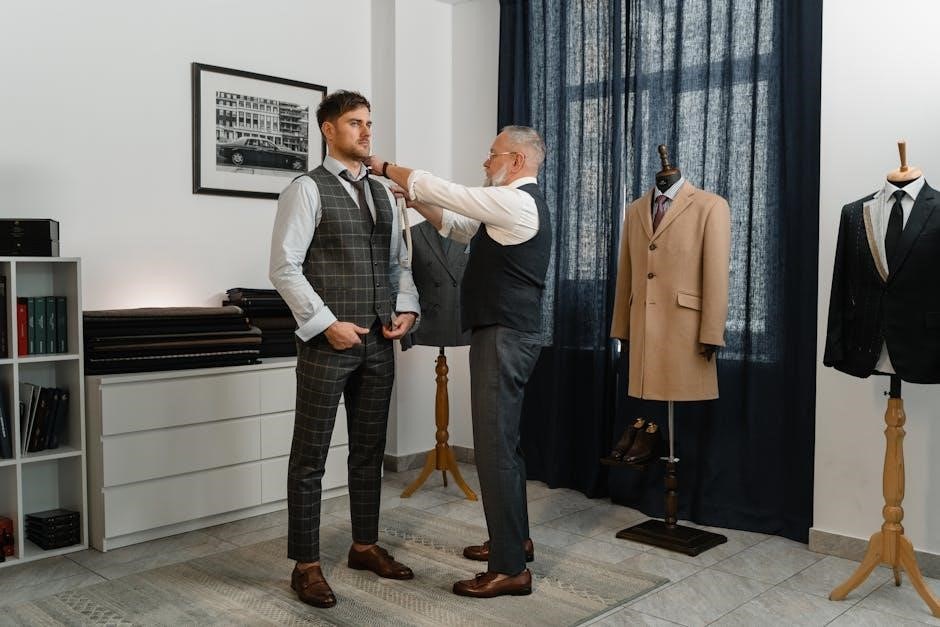
Tailoring and Secondary Professions
Combining Tailoring with Enchanting or Jewelcrafting maximizes profits; enchanting enhances crafted gear, while jewelcrafting adds stat bonuses for optimal results.
Tailoring & Enchanting
Tailoring and Enchanting create a powerful synergy in Cataclysm Classic. As a Tailor, you produce the cloth armor, and Enchanting allows you to imbue those pieces with beneficial stats. This combination is exceptionally profitable, as you control both the creation and enhancement of gear.
Consider disenchanting unwanted crafted items to gain enchanting materials. This provides a steady supply for your enchanting endeavors, reducing reliance on the Auction House. Furthermore, enchanting crafted bags increases their value, attracting buyers seeking both utility and added benefits. Mastering both professions allows for self-sufficiency and a significant income stream, making it a highly recommended pairing for ambitious players.
Tailoring & Jewelcrafting
The pairing of Tailoring and Jewelcrafting in Cataclysm Classic offers a unique advantage, primarily through the creation of meta-gems. Tailors craft the cloth armor, while Jewelcrafters provide the gems to socket into that armor, maximizing its potential. This synergy allows for optimized gear customization.
While not as directly linked as with Enchanting, Jewelcrafting provides a valuable market for your crafted items. Players will consistently seek gems to enhance their gear, creating demand for your Tailoring products. Additionally, Jewelcrafting can provide income to fund your Tailoring material costs, creating a self-sustaining economic loop. It’s a solid, if less obvious, professional combination.
Gear Crafted by Tailors in Cataclysm Classic
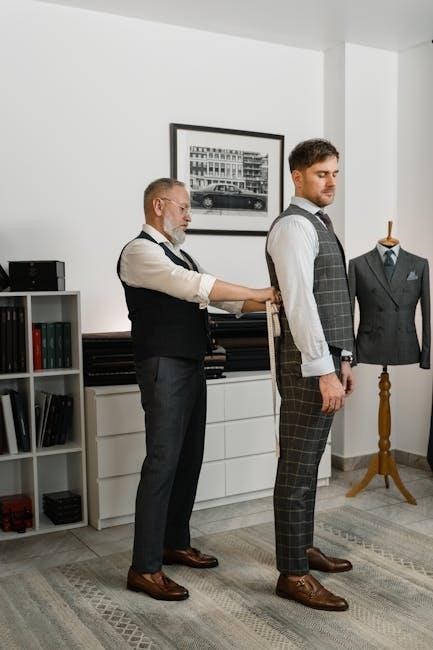
Tailors create a range of cloth armor, including robes, chests, and legs, alongside useful bags. Crafted gear scales from early tiers to powerful endgame options!
Early Tier Gear
Early tailoring focuses on providing gear for leveling characters and equipping alts. At lower levels, Tailors can craft items like Linen Robes, Woolen Cloaks, and Silk Bandages – essential for adventurers exploring the initial zones of Cataclysm. These pieces offer basic stat improvements and are relatively inexpensive to create, making them ideal for self-sufficiency or selling on the Auction House.
As you progress through the levels, you’ll unlock recipes for more durable and stat-rich gear, such as Runecloth items. These provide a noticeable upgrade over earlier options and are valuable for players gearing up for dungeons and raids. Don’t underestimate the demand for bags either; crafted bags are always in high demand, offering a consistent source of income for ambitious Tailors.
Endgame Gear
Endgame Tailoring in Cataclysm Classic centers around crafting powerful gear for raiding and PvP. Tailors gain access to recipes requiring rare materials like Embersilk Cloth and Eternal materials, resulting in items with significant stat boosts. These crafted pieces can rival, and sometimes even surpass, gear obtained from dungeons and early raids.
Notable endgame crafts include cloaks, chest pieces, and, importantly, bags with large storage capacity. The ability to create high-quality bags remains a consistent gold-making opportunity. Furthermore, Tailors can create vanity items and transmog gear, catering to players seeking unique appearances. Mastering Tailoring at the endgame provides a substantial advantage and a reliable income stream.