
Overview of Cadet Guides
The latest Cadet Guides unify training standards across CAP, NJROTC, and Texas cadets. CAP’s beta guide highlights illustration‑text gaps, while TX‑20063 offers a 2024‑25 operations manual. NJROTC’s fourth edition updates reference material, ensuring consistency clarity for all cadets. and growth!!!!!

Key Cadet Organizations

Three primary cadet bodies shape youth leadership: the Civil Air Patrol, the National Junior Reserve Officers’ Training Corps, and Texas Cadet Corps. Each publishes a guide—CAP’s beta guide, NJROTC’s fourth edition, and TX‑20063—detailing mission, structure, and training standards.Guides align mission now
Civil Air Patrol Cadet Guide
The Civil Air Patrol (CAP) Cadet Guide has entered a beta phase, aligning with CAPR 39‑1. It focuses on aerospace education, emergency services, and leadership. A key section highlights illustration‑text discrepancies, pointing out inconsistencies between regulations and images. Cadets and senior members use the guide for accurate duty interpretation, safety protocols, and operational procedures. The beta guide is distributed to all CAP squadrons and includes a downloadable PDF and an interactive web portal. Cadets are encouraged to log their progress using the guide’s built‑in tracking sheets. The guide also outlines the CAPR 39‑1 compliance checklist, covering topics such as emergency response, aerospace training, and leadership development. It provides sample mission plans, safety checklists, and leadership evaluation forms. The guide’s illustration‑text discrepancy section includes side‑by‑side comparisons to clarify ambiguous language. Senior members are trained to use the guide as a teaching tool during squadron meetings and field exercises. The guide’s mobile version supports offline access, ensuring cadets can consult it during remote training sessions or after deployment. CAP’s leadership development framework aligns with the National Cadet Advisory Board standards, ensuring consistency across the organization. The guide’s FAQ addresses common questions about the CAPR 39‑1 interpretation, ensuring uniform understanding. CAP solicits community feedback to refine the guide before final publication, ensuring it remains a living document that evolves with the organization’s needs today.
NJROTC Cadet Reference Manual
The 2024 Fourth Edition of the NJROTC Cadet Reference Manual serves as the cornerstone for all National Junior Reserve Officer Training Corps units nationwide. It consolidates updated regulations, training curricula, and assessment tools that align with the Department of Defense’s latest cadet standards. The manual’s structure is organized into modular sections: foundational military knowledge, leadership development, civic engagement, and physical readiness. Each module contains concise learning objectives, suggested instructional activities, and assessment rubrics that instructors can adapt to diverse classroom environments. The reference guide also incorporates a comprehensive glossary of military terminology, ensuring cadets develop a common language and professional demeanor. A dedicated section addresses ethical decision‑making, emphasizing integrity, responsibility, and respect for the chain of command. The manual’s appendices feature sample reports, mission planning templates, and a calendar of national events that reinforce the cadet’s role in community service. This app syncs with the instructor’s dashboard, providing real‑time feedback and facilitating data‑driven instruction. The manual’s revision process involved extensive collaboration with field instructors, cadet leaders, and alumni, ensuring the content reflects current operational realities and educational best practices. By integrating technology, ethical frameworks, and rigorous assessment, the NJROTC Cadet Reference Manual empowers cadets to cultivate leadership skills, critical thinking, and a lifelong commitment to service. Cadets engage in community outreach projects that foster local responsibility!
The Texas Cadet Guide (TX‑20063) released for the 2024‑25 academic year serves as the definitive operational manual for all Texas state cadet units. It outlines the mission, vision, and core values that underpin every drill, training exercise, and community service project. The guide is organized into five principal sections: 1) Cadet Leadership Principles, 2) Tactical and Technical Training Modules, 3) Physical Fitness Standards, 4) Civic Engagement and Community Outreach, and 5) Administrative Procedures and Record‑Keeping. Each section contains clear objectives, step‑by‑step instructions, and assessment criteria that align with the Texas Military Department’s standards and the National Defense Authorization Act requirements. The leadership section emphasizes decision‑under pressure, ethical conduct, and the development of a professional military ethos. Tactical modules cover basic infantry skills, weapons handling, and emergency response protocols, while the fitness section provides a progressive training schedule, nutrition guidelines, and injury prevention strategies. Civic engagement chapters encourage cadets to participate in local volunteer initiatives, fostering a sense of responsibility toward the community. The administrative portion details the proper filing of reports, attendance logs, and the use of the Texas Cadet Management System, ensuring compliance with state and federal regulations. Cadets also learn advanced navigation techniques to enhance operational readiness and!!

Common Themes in Cadet Guides
All cadet guides emphasize disciplined training, leadership cultivation, and character building. They integrate mission‑driven drills, ethical decision‑making, and community service, ensuring cadets develop confidence, teamwork, and a lifelong commitment to duty. for future

Training and Skill Development
Cadet guides across CAP, NJROTC, and Texas emphasize a structured progression of skills that build from basic military customs to advanced operational tactics. The CAP beta guide, noted for highlighting illustration‑text discrepancies, still outlines a clear path: foundational drills, emergency response, and aviation fundamentals, culminating in leadership scenarios that test decision‑making under pressure. NJROTC’s fourth edition refines the curriculum by integrating modern technology, such as simulation software and data‑analysis tools, ensuring cadets can adapt to evolving battlefield environments. Texas’ TX‑20063 operations manual, released for the 2024‑25 school year, focuses on mission‑oriented training, including craft, navigation, weapons handling, while reinforcing safety protocols. Across all programs, the emphasis remains on measurable competence: cadets must demonstrate proficiency through graded evaluations, peer reviews, and instructor assessments. This systematic approach not only fosters technical expertise but also cultivates confidence, resilience, and a sense of responsibility that extends beyond the academy. Cadet guides also incorporate physical conditioning, with mandatory fitness tests that align with service standards. They emphasize teamwork drills, such as obstacle courses and tactical simulations, to sharpen situational awareness. Additionally, ethical decision‑making modules reinforce integrity, ensuring cadets internalize core values before deployment. Continuous growth!!
Leadership and Character Building
Cadet guides across CAP, NJROTC, and Texas place leadership at the core of their curricula, intertwining character development with tactical proficiency. CAP’s beta guide, while correcting illustration‑text mismatches, stresses the importance of integrity, accountability, and service‑oriented decision making through scenario‑based exercises. NJROTC’s fourth edition expands on mentorship, encouraging senior cadets to lead peer‑review sessions and community outreach, reinforcing empathy and responsibility. Texas’ TX‑20063 operations manual mandates leadership drills that simulate real‑world command challenges, requiring cadets to coordinate teams, manage resources, and adapt to dynamic conditions. Across all programs, character building is reinforced through a code of conduct, daily reflection logs, and ethical dilemma discussions that align with military values. Cadets are evaluated on both leadership performance and personal growth, ensuring that the development of a commander is matched by the cultivation of a principled individual. The result is a cadre of leaders who embody resilience, humility, and a lifelong commitment to service. By integrating field exercises, mock deployments, and cross‑disciplinary projects, cadets learn to apply theoretical knowledge in realistic settings, fostering critical thinking and adaptability. Leadership training is complemented by character education modules that emphasize respect, integrity, and the importance of community service, ensuring cadets internalize the values that underpin the mission. Continuous assessment ensures progress and readiness for future responsibilities!!??

Regulatory Framework
CAP’s CAPR 39‑1, NJROTC’s Army standards, and Texas TX‑20063 regulations guide cadet training. They set eligibility, conduct codes, assessment criteria, and training milestones, ensuring uniform compliance across all programs. Evaluations occur quarterly, ensuring continuous improvement and accountability!
CAP Regulations (CAPR 39-1)
CAPR 39‑1 establishes the legal foundation for the Civil Air Patrol’s cadet program, outlining mission, purpose, and scope. It defines cadet eligibility, including age, citizenship, and enrollment criteria, and specifies the rank structure from Cadet to Cadet Senior. The regulation details the required training curriculum, covering aerospace education, physical fitness, leadership, and moral development. It sets standards for conduct, emphasizing integrity, respect, a quarterly assessment schedule, requiring each squadron to conduct written and practical evaluations, and outlines the award system for achievement and completion. Disciplinary procedures are clearly defined, with a hierarchy of corrective actions and appeals. CAPR 39‑1 also addresses the integration of cadets into emergency services, outlining emergency response protocols and the role of cadets in support operations. The regulation emphasizes continuous improvement, requiring annual reviews of training materials and updates to reflect changes in aviation technology and educational best practices. Compliance is monitored through the CAP Cadet Management System, ensuring that all units adhere to the established standards and that cadets receive consistent, high‑quality training across the nation. Additionally, CAPR 39‑1 incorporates a mentorship framework that pairs senior cadets with new recruits to foster peer learning. The regulation mandates safety briefings to reinforce hazard awareness during flight and daily training activities.
NJROTC Standards
The 2024 Fourth Edition of the NJROTC Cadet Reference Manual codifies the program’s core standards, aligning them with the Department of Defense’s National Defense Education Act. Eligibility requires enrollment in a participating high school, a minimum GPA of 2.0, and a demonstrated commitment to the NJROTC mission. Cadets progress through a structured rank system—Private, Corporal, Sergeant, and higher—each rank demanding completion of specific skill sets, physical fitness benchmarks, and leadership responsibilities. The curriculum integrates aerospace, military history, citizenship, and emergency preparedness, with a mandatory 40‑hour annual training cycle that includes classroom instruction, field exercises, and community service. Assessment is conducted quarterly, using a combination of written exams, practical demonstrations, and instructor evaluations to ensure mastery of core competencies. Discipline is governed by a clear code of conduct, emphasizing respect, responsibility, and accountability; violations trigger a tiered corrective process culminating in possible dismissal from the unit. Awards and recognitions—such as the National Cadet Honor Award and the Distinguished Service Ribbon—are awarded based on performance, leadership, and service contributions. The manual also mandates regular instructor professional development and unit inspections to maintain program integrity and adherence to federal and state regulations. The manual stresses teamwork, urging cadets to collaborate on projects that sharpen problem‑solving skills and respect.!!
Texas Cadet Regulations
Texas Cadet Regulations (TX‑20063) define the operational framework for cadets during the 2024‑25 academic year. The memorandum, issued 12 August 2024, establishes eligibility criteria, rank progression, and conduct expectations. Cadets must be enrolled in a Texas public or private high school, maintain a minimum 2.5 GPA, and complete a 40‑hour annual training cycle that includes classroom instruction, field exercises, and community service. Rank advancement follows a structured path: Private, Corporal, Sergeant, Staff Sergeant, and Sergeant First Class, each requiring specific skill certifications, physical fitness tests, and leadership duties. Conduct standards emphasize integrity, respect, and accountability; violations result in a progressive disciplinary process culminating in possible dismissal. Physical fitness standards align with the Texas Physical Fitness Test, requiring a minimum score that reflects overall health and readiness. The regulations mandate regular instructor professional development, unit inspections, and adherence to federal and state educational mandates. Cadets are encouraged to participate in community outreach, emergency response drills, and leadership projects that foster civic engagement and personal growth. The memorandum outlines award criteria and provides guidance on record keeping, documentation, and reporting to the Texas Cadet Corpsfor Texas Cadet Honor Award. Compliance with these regulations ensures a cadetand corps that prepares students for future service and leadership and dedicated roles. and!!

Illustrations vs. Text Discrepancies
CAP materials often show illustration‑text mismatches. For example, CAPR 39‑1’s wording on emergency procedures contrasts with the depicted equipment layout, confusing new cadets. Users report that diagrams lag behind updated regulations, prompting the need for clear, accurate visuals. Addendum: diagrams must match text.!!!!

Example from CAP Materials
During the beta release of the Civil Air Patrol Cadet Guide, a Reddit user posted a screenshot that highlighted a notable discrepancy between the official CAP regulations (CAPR 39‑1) and the accompanying illustration. The text in CAPR 39‑1 describes a specific emergency procedure for a “ground‑crew” scenario, detailing the exact sequence of actions and the required equipment. However, the diagram in the guide shows an alternate sequence and omits a critical piece of gear that the regulation explicitly requires. This mismatch caused confusion among new cadets, who followed the visual instructions and inadvertently left out a safety component. In response, the user created a supplemental set of materials that align the illustration with the written regulation, ensuring that both the wording and the visual aid convey the same information. This example underscores the importance of synchronizing textual and visual content in cadet training resources, as even minor inconsistencies can lead to procedural errors and compromise safety. The community’s feedback has prompted CAP leadership to review and update the guide’s illustrations to match the current regulatory language, reinforcing the organization’s commitment to clarity and accuracy in all training documents.

Recent Updates and Revisions
In 2024‑25, CAP released a beta Cadet Guide correcting, issued a operations manual for the 2024‑25 school year, and NJROTC published its fourth edition, updating reference material to align with current standards. All updates reinforce compliance, leadership growth!!. Ensures compliance safety for cadets
2024-25 Cadet Guide Editions
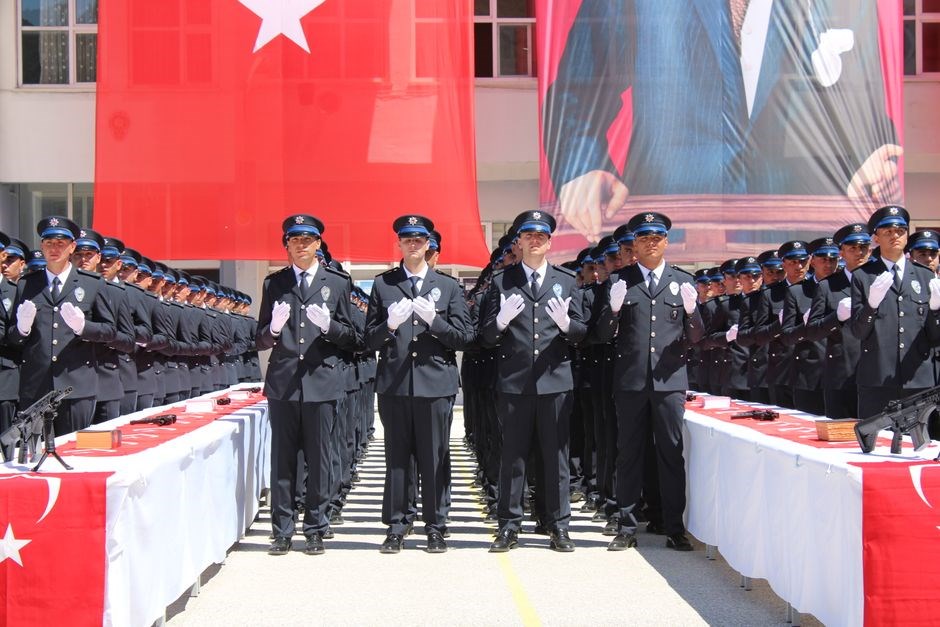
The 2024‑25 Cadet Guide Editions represent a coordinated effort across the Civil Air Patrol, NJROTC, and Texas Cadet programs to modernize training materials and align them with contemporary standards. The Civil Air Patrol released a beta edition that addresses discrepancies between textual regulations and illustrative content, providing clearer guidance for new cadets and senior members. The Texas Cadet Guide, identified as TX‑20063, was formally issued on August 12, 2024, and serves as the definitive operations manual for the 2024‑25 academic year, outlining day‑to‑day procedures, safety protocols, and leadership expectations. Meanwhile, NJROTC published its Fourth Edition of the Cadet Reference Manual in 2024, incorporating updated curriculum frameworks, assessment tools, and leadership development modules. Together, these editions emphasize consistency, safety, and character building, ensuring that cadets receive accurate, up‑to‑date resources that reflect the evolving mission of each program. These editions also introduce a unified digital platform that allows cadets to access interactive modules, real‑time updates, and downloadable checklists. The platform supports cross‑program collaboration, enabling cadets to share best practices and participate in joint exercises. Additionally, each guide includes a section on ethical decision‑making, emphasizing integrity, respect, and responsibility as core values. By integrating these elements, the 2024‑25 Cadet Guide Editions aim to foster a cohesive learning environment that prepares cadets for leadership roles both within their units and in broader community contexts. The guides also incorporate scenario‑based training exercises that simulate real‑world challenges, allowing cadets to apply theoretical knowledge in practical settings and receive immediate feedback from instructors. This collaborative approach strengthens cohesion!!